
Favorite Downspout Replacement Options for DIY Projects
Browse trusted products that are easy to install and designed to withstand the elements over time.
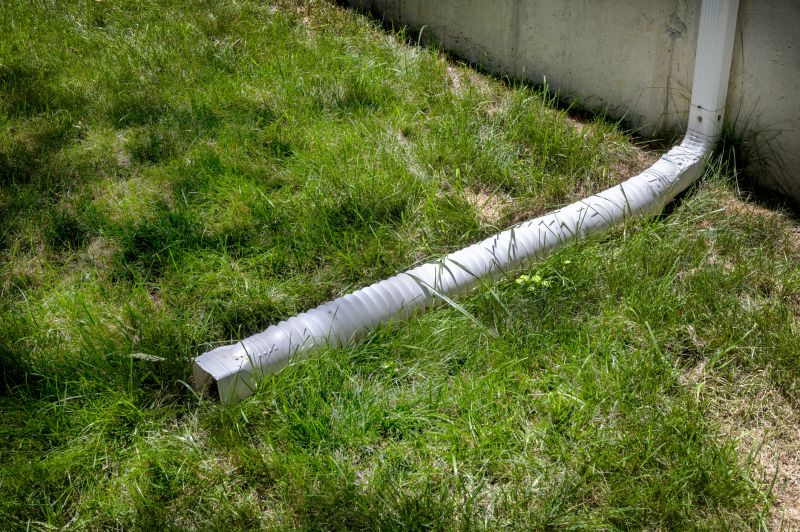 Replacing downspouts is an essential part of maintaining a functional and effective rainwater management system for your home. When existing downspouts become damaged, clogged, or outdated, choosing the right replacement options can help ensure proper drainage and protect your property's foundation and landscaping. There is a wide variety of products available, ranging from simple extensions to more advanced systems designed for specific needs and aesthetic preferences. Understanding the different types and their features can assist homeowners in making informed decisions tailored to their unique circumstances.
Top Overall Option
Flexible Downspout Extension System
A flexible downspout extension system offers versatility and ease of installation, allowing homeowners to direct water precisely where needed. Made from durable, weather-resistant materials, these extensions can bend and conform to various landscapes, making them suitable for a range of property layouts. They typically feature quick-connect fittings for straightforward setup and can be easily adjusted or repositioned as needed. This type of system provides a practical solution for redirecting rainwater away from foundations and walkways without the need for complex tools or extensive modifications.
Types of Products For Downspout Replacements
Downspout Extensions
Long, flexible or rigid pipes that extend the reach of existing downspouts to direct water further away from your home.
Splash Blocks
Sloped concrete or plastic blocks placed at the base of downspouts to disperse water and prevent erosion.
Downspout Diverters
Devices that divert water from downspouts into rain barrels or other collection systems.
Flexible Corrugated Pipes
Corrugated piping that can bend around obstacles, ideal for adapting to landscape contours.
Downspout Connectors
Fittings that connect different sections of downspouts or extend existing ones.
Rain Barrels & Collection Systems
Containers designed to collect rainwater from downspouts for reuse or storage.
Decorative Downspout Covers
Aesthetic covers that conceal downspouts while allowing water flow.
Adjustable Elbows and Angles
Fittings that allow customization of downspout direction and flow.
Splash Guards
Protective barriers that prevent water from splashing onto walkways or siding.
Downspout Extension Sleeves
Connectors that join extensions to existing downspouts securely.
Underground Drainage Pipes
Pipes installed beneath the surface to carry water away from the foundation.
Gutter Guards
Screens or covers that prevent debris from clogging gutters and downspouts.
Rain Chain Systems
Decorative alternatives to traditional downspouts that guide water visually.
Weatherproof Sealants
Sealants used to secure fittings and prevent leaks at connection points.
Flexible Downspout Extensions
Adjustable, bendable extensions that adapt to various landscape configurations.
Popular Choices
Flexible or rigid extensions that help redirect water away from the foundation.
Disperse water at the base of downspouts to reduce erosion and splash.
Collect rainwater for reuse, compatible with various downspout adapters.
Easily bend around landscaping features for versatile water routing.
Enable collection of rainwater into barrels or other storage options.
Allow for directional changes in downspout flow to suit landscape needs.
Enhance curb appeal while hiding functional components.
Concealed piping that transports water away from the home’s foundation.
Help prevent clogging and reduce maintenance needs.
Protect walkways and siding from water splashing.
Decorative alternatives that guide water visually from the roof.
Ensure leak-proof connections for long-lasting performance.
Adaptable solutions for directing water around obstacles.
Integrated systems for capturing and storing rainwater.
Components for fixing or patching damaged downspouts.
Downspout replacement products are typically designed to connect seamlessly with existing gutters and drainage systems. Some options are straightforward extensions that direct water further away from the foundation, while others include specialized connectors, flexible piping, or decorative covers to enhance both functionality and curb appeal. It is important to consider factors such as material durability, ease of installation, compatibility with existing gutters, and the volume of water your system needs to handle. Proper selection and installation can help prevent water damage, erosion, and basement flooding.
In addition to functional considerations, aesthetics may also influence your choice. Many products are available in various finishes and styles to match the exterior of your home. Some systems incorporate features such as splash blocks, diverters, or adjustable angles to optimize water flow. Regular maintenance and timely replacements can extend the lifespan of your drainage system, reducing the risk of costly repairs in the future. Whether you are replacing a single damaged section or upgrading your entire system, selecting the right products is a key step toward effective rainwater management.
Key Buying Considerations
- Material durability: Choose products made from weather-resistant materials like heavy-duty plastic or metal to ensure longevity.
- Compatibility: Verify that the replacement parts fit your existing gutter system and downspout connections.
- Ease of installation: Consider whether the product is designed for DIY installation or requires professional help.
- Water flow capacity: Select products that can handle the volume of water your roof typically produces, especially during heavy rainfall.
- Landscape integration: Think about how the system will fit into your yard or garden layout and whether it needs to bend or extend around obstacles.
- Aesthetic appeal: Decide if you want functional components to blend with your home's exterior or serve as decorative features.
- Maintenance requirements: Opt for products that are easy to clean, inspect, and maintain over time.
- Flexibility: Look for adaptable solutions that can be easily repositioned or adjusted as needed.
- Cost: Balance your budget with the quality and features offered by different products.
- Compatibility with rainwater harvesting: If collecting rainwater, ensure the system integrates well with collection containers.
- Weather resistance: Ensure the materials can withstand local climate conditions, including snow, ice, or high winds.
- Environmental factors: Consider UV resistance and corrosion resistance for long-term performance.
- Installation time: Evaluate how long the product takes to install, especially if doing it yourself.
- Warranty and support: Check if the product comes with a warranty or customer support for peace of mind.
- Code compliance: Ensure the product adheres to local building codes and regulations.